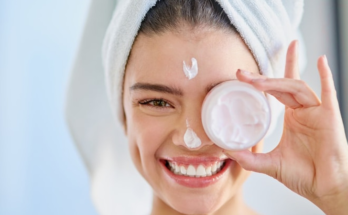
Healthy skin is more than a beauty goal—it is a visible sign of internal balance, lifestyle discipline, and overall well-being. Radiant skin does not come from temporary fixes or trends; it develops when the skin functions optimally as the body’s protective and regenerative organ.
In today’s fast-paced lifestyle, skin concerns such as dullness, dryness, acne, and premature aging are common. Understanding what truly supports healthy skin helps individuals build routines that deliver long-term results rather than short-lived improvement.
This guide explains the science of healthy skin, practical steps to achieve radiant skin, and how real-life examples prove that consistency matters more than perfection.
What Is Healthy Skin? (Definition With Real-Life Example)
Healthy skin refers to skin that performs its natural functions effectively—protecting the body, retaining moisture, repairing itself efficiently, and maintaining an even tone and smooth texture. Healthy skin is resilient, balanced, and less prone to irritation or inflammation.
A well-known example of long-term healthy skin is Jennifer Aniston. She is widely admired for maintaining radiant skin well into adulthood. Her approach focuses on hydration, sleep, balanced nutrition, and a simple skincare routine rather than aggressive cosmetic procedures. Dermatology experts often cite her lifestyle-based approach as a realistic example of how healthy skin is built over time.
Healthy and radiant skin typically shows:
- Natural glow without excessive oiliness
- Even skin tone and smooth texture
- Minimal breakouts or sensitivity
- Faster healing and repair
The Difference Between Healthy Skin and Radiant Skin
While the terms are often used together, they are not identical.
- Healthy skin focuses on function and balance
- Radiant skin reflects how healthy skin appears on the surface
Radiant skin is usually the result of healthy skin beneath it. When the skin barrier is strong, hydration is balanced, and inflammation is controlled, radiance naturally follows.
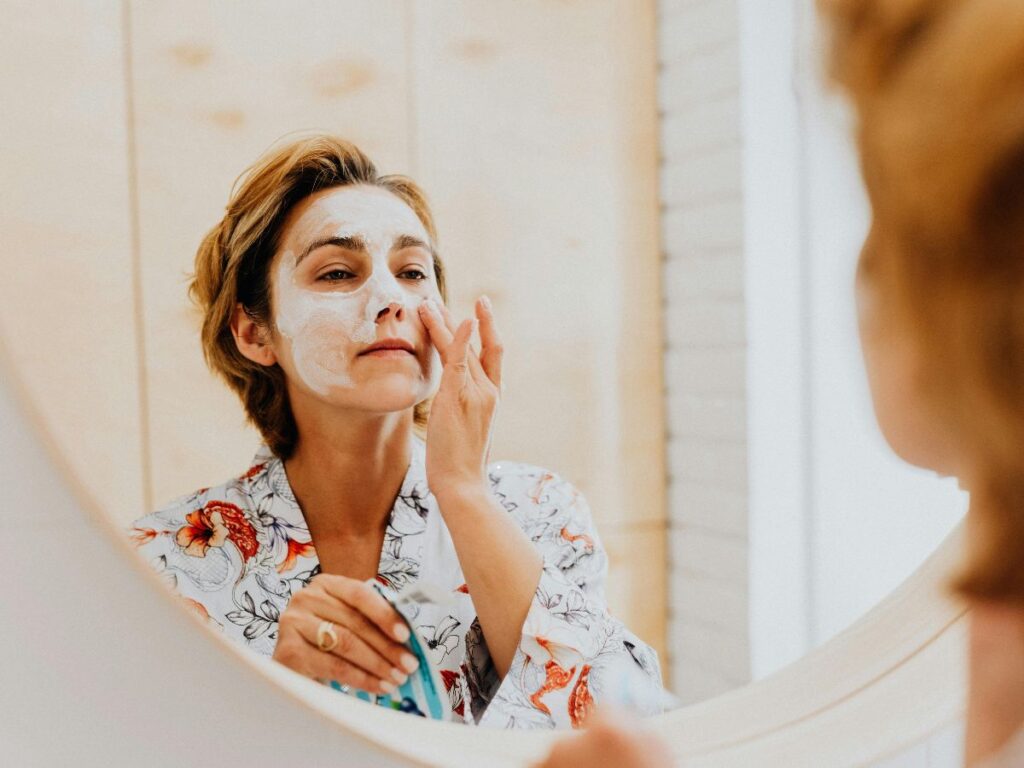
Why Healthy Skin Is Important for Overall Health
Skin is the body’s largest organ and plays a critical role in overall health.
Healthy skin helps by:
- Acting as a barrier against bacteria, viruses, and pollutants
- Regulating body temperature
- Preventing excessive water loss
- Supporting immune defense
- Assisting vitamin D synthesis through sunlight exposure
Persistent skin problems may signal internal imbalances such as dehydration, nutritional deficiencies, hormonal changes, or chronic stress.
Step-by-Step Guide to Achieving Healthy and Radiant Skin
Step 1: Cleanse Without Disrupting the Skin Barrier
- Use a gentle cleanser suitable for your skin type
- Avoid over-cleansing, which strips natural oils
- Cleanse twice daily to maintain balance
Step 2: Hydration Is the Foundation of Radiant Skin
- Drink adequate water daily
- Use a moisturizer that supports the skin barrier
- Well-hydrated skin appears plumper, smoother, and brighter
Step 3: Nutrition That Supports Healthy Skin
- Eat antioxidant-rich fruits and vegetables
- Include healthy fats such as nuts and seeds
- Consume enough protein to support skin repair
Step 4: Protect Skin From Environmental Stress
- Limit excessive sun exposure
- Reduce contact with pollution when possible
- Avoid smoking, which accelerates skin aging and dullness
Step 5: Lifestyle Habits That Improve Skin Quality
- Get 7–9 hours of quality sleep
- Manage stress through movement or relaxation
- Chronic stress often leads to acne, pigmentation, and sensitivity
Daily Habits That Promote Long-Term Radiant Skin
- ✔ Consistent skincare routine
- ✔ Balanced and nutrient-dense diet
- ✔ Regular physical activity to improve circulation
- ✔ Adequate hydration throughout the day
- ✔ Minimal use of harsh or unnecessary products
Radiant skin is the result of repetition, not intensity.
Common Myths About Healthy Skin and Radiant Skin
- Myth: Radiant skin requires expensive products
- Fact: Simplicity and consistency are more effective than price
- Myth: Oily skin does not need hydration
- Fact: Dehydrated skin can produce excess oil
- Myth: Skin changes should be immediate
- Fact: Skin renewal takes weeks, not days
FAQs: Healthy Skin Explained
Q1. How long does it take to see healthy skin results?
Visible improvement usually appears within 4–6 weeks of consistent care.
Q2. Can diet alone give radiant skin?
Diet plays a major role, but skincare, sleep, and stress management are equally important.
Q3. Is radiant skin possible at any age?
Yes. While skin changes with age, healthy habits can significantly improve skin appearance at any stage of life.
Q4. Should skincare routines change over time?
Yes. As skin ages, it often requires more hydration, barrier repair, and gentle care.

Final Thoughts
Healthy skin and radiant skin are not achieved through shortcuts or trends. They are built through daily habits, informed choices, and lifestyle balance. Real-life examples show that long-term skin health comes from respecting the skin’s natural processes rather than overwhelming them.
At Health All Around, the focus is on practical, sustainable wellness—because truly radiant skin begins with overall health.