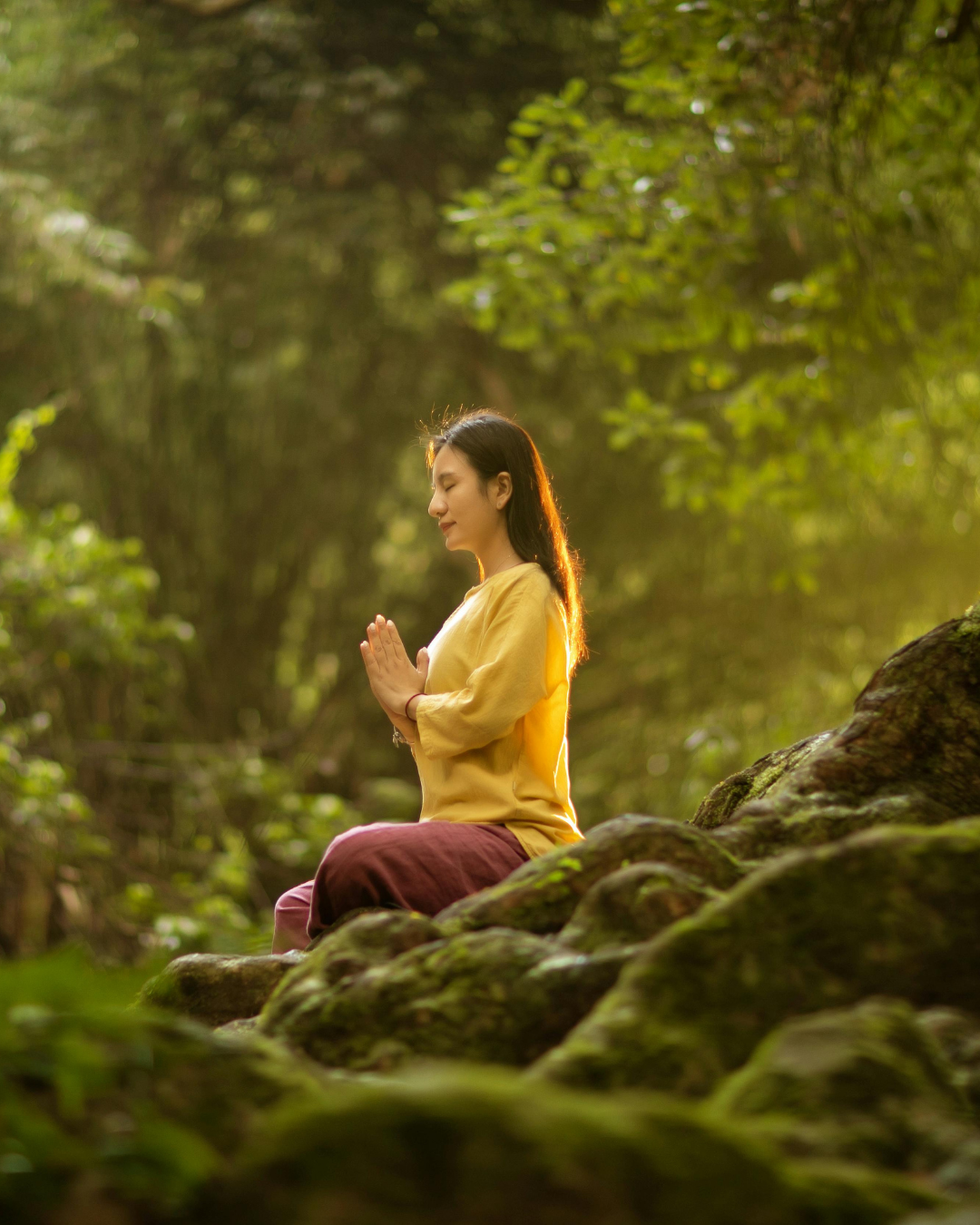
Yoga is more than just a form of exercise—it is a holistic practice that unites the body, mind, and breath. Rooted in ancient traditions, yoga has evolved into a globally recognized method for improving physical fitness, mental clarity, and emotional well-being. In today’s fast-paced lifestyle, yoga offers a powerful way to slow down, reconnect with yourself, and restore balance.
Understanding Yoga
Yoga originated thousands of years ago and is based on the principle of harmony between the body and mind. The practice combines physical postures (asanas), breathing techniques (pranayama), and meditation to promote overall health. Unlike high-intensity workouts, yoga focuses on controlled movements, awareness, and inner calm, making it suitable for people of all ages.
Physical Benefits of Yoga
One of the most noticeable benefits of yoga is improved flexibility and strength. Regular practice gently stretches muscles, improves joint mobility, and strengthens the core. Yoga also supports better posture and balance, which helps reduce back pain and muscle stiffness caused by prolonged sitting or poor ergonomics.
Yoga enhances circulation and supports heart health by encouraging steady breathing and controlled movement. Certain poses stimulate digestion, improve metabolism, and help maintain a healthy weight. Over time, consistent practice can lead to increased energy levels and reduced physical fatigue.
Mental and Emotional Benefits
Yoga has a profound impact on mental health. By focusing on breath and movement, the mind becomes calmer and more present. This helps reduce stress, anxiety, and mental overload. Many people find that yoga improves concentration, emotional stability, and self-awareness.
Practices such as meditation and deep breathing activate the body’s relaxation response, lowering stress hormones and promoting a sense of peace. Yoga encourages mindfulness, helping individuals respond to challenges with clarity rather than reaction.
Yoga and Lifestyle Balance
Yoga fits seamlessly into a balanced lifestyle. It teaches patience, discipline, and self-care. Unlike quick-fix fitness trends, yoga emphasizes consistency and long-term well-being. Even short daily sessions can bring noticeable improvements in both physical and mental health.
Yoga also supports better sleep by calming the nervous system and releasing tension stored in the body. Practicing gentle stretches or breathing exercises before bedtime can improve sleep quality and recovery.
Types of Yoga Practices
There are various styles of yoga to suit different needs and goals. Some focus on slow, gentle movements and relaxation, while others are more dynamic and strength-based. Choosing the right style depends on your fitness level, lifestyle, and personal preference. The beauty of yoga lies in its adaptability—it meets you where you are.
Building a Daily Yoga Habit
Starting a yoga practice does not require special equipment or advanced flexibility. A quiet space, a mat, and a willingness to learn are enough. Begin with simple poses and short sessions, gradually increasing duration as your comfort grows. Listening to your body and practicing without judgment are key elements of a sustainable yoga routine.
Consistency is more important than intensity. Even 15–20 minutes a day can create positive changes over time.
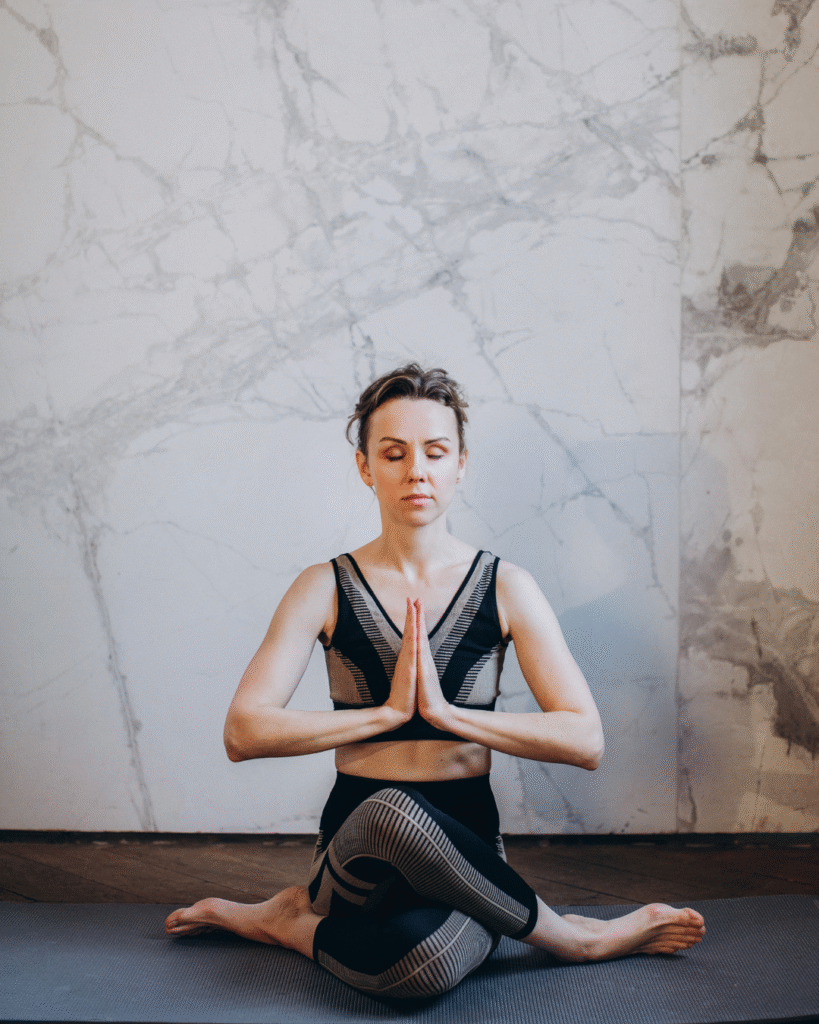
Frequently Asked Questions (FAQ) About Yoga
1. What is yoga and why is it important?
Yoga is a holistic practice that combines physical postures, breathing techniques, and mindfulness. It is important because it supports physical health, mental calm, emotional balance, and overall well-being.
2. Can beginners practice yoga?
Yes, yoga is suitable for beginners of all ages. Many yoga poses can be modified based on flexibility and strength. Starting slowly and practicing consistently is the key.
3. How often should I practice yoga?
For best results, practicing yoga 3–5 times a week is ideal. Even 15–20 minutes daily can bring noticeable benefits over time.
4. Is yoga only for flexibility?
No, yoga is not just about flexibility. It also improves strength, balance, posture, breathing capacity, focus, and stress management.
5. Can yoga help reduce stress and anxiety?
Yes, yoga helps calm the nervous system through deep breathing and mindful movement, which can significantly reduce stress and anxiety levels.
6. Do I need special equipment for yoga?
No special equipment is required. A yoga mat and comfortable clothing are enough to begin a yoga practice at home.
7. Can yoga be practiced daily?
Yes, gentle yoga can be practiced daily. It helps maintain mobility, relaxation, and mental clarity when done correctly.
Pros of Practicing Yoga
- Improves flexibility, strength, and balance
- Reduces stress, anxiety, and mental fatigue
- Supports better posture and spinal health
- Enhances breathing capacity and lung function
- Improves focus, mindfulness, and emotional stability
- Helps with better sleep and relaxation
- Low-impact and suitable for all age groups
- Encourages a balanced and healthy lifestyle
Cons of Practicing Yoga
- Incorrect posture or technique may cause strain or injury
- Results can be slow for those expecting quick physical changes
- Requires consistency and patience to see long-term benefits
- Without guidance, beginners may feel confused initially
- Overstretching or forcing poses can lead to discomfort
Final Thoughts
Yoga is a lifelong journey of self-discovery and well-being. It encourages harmony between physical health and inner peace, making it one of the most effective tools for modern living. By practicing yoga regularly, you cultivate strength, calmness, and balance that extend far beyond the mat.
Whether you are a beginner or an experienced practitioner, yoga offers something valuable for everyone—one breath, one pose, and one moment at a time.