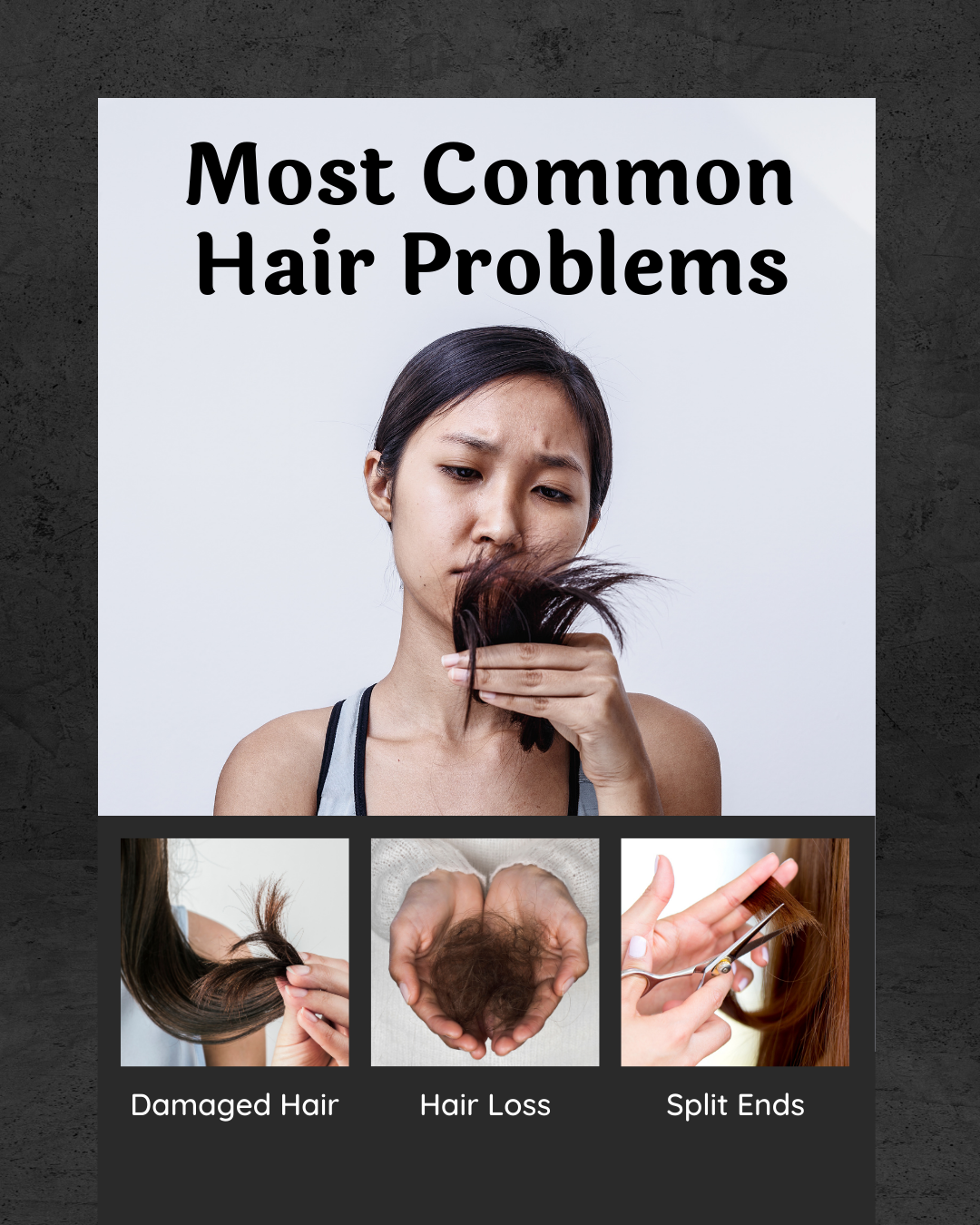
Healthy hair is not just about appearance—it reflects internal nutrition, lifestyle habits, and scalp health. Hair problems such as hair fall, dryness, and slow growth often signal imbalances in daily routines or overall wellness. Understanding how hair works and caring for it systematically can help maintain strength, shine, and density over time.
Definition: What Is Healthy Hair?
Healthy hair is hair that grows from a nourished scalp, has adequate moisture, elasticity, and minimal breakage. It appears smooth, shiny, and resilient, with reduced hair fall and split ends. True hair health starts at the scalp and is supported by proper nutrition, hydration, and gentle care practices.
Step-by-Step Guide to Maintaining Healthy Hair
Step 1: Maintain Scalp Health
The scalp is the foundation of hair growth. Keeping it clean, balanced, and well-hydrated supports stronger hair roots.
Step 2: Follow a Gentle Hair-Washing Routine
Wash hair 2–3 times a week using a mild, sulfate-free shampoo. Over-washing can strip natural oils and weaken hair strands.
Step 3: Condition Regularly
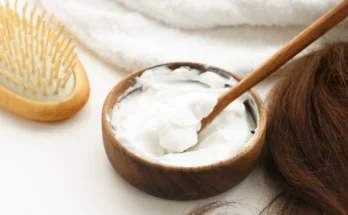
Conditioning helps restore moisture, reduce frizz, and protect hair from breakage. Focus conditioner on mid-lengths and ends.
Step 4: Nourish from Within
Hair health depends heavily on nutrition. A diet rich in protein, iron, zinc, vitamins, and healthy fats supports hair strength and growth.
Step 5: Reduce Heat and Chemical Exposure
Excessive heat styling, coloring, and chemical treatments damage hair structure and weaken strands over time.
Step 6: Manage Stress and Sleep Well
Chronic stress and poor sleep can trigger hair fall. Proper rest and stress management support healthy hair cycles.
Essential Habits for Healthy Hair (Bullet Points)
- Drink enough water daily
- Eat protein-rich foods like lentils, eggs, and nuts
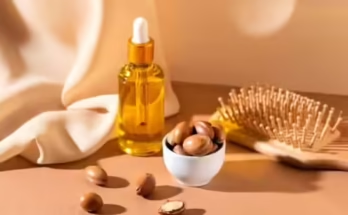
- Oil your scalp moderately, not excessively
- Use wide-tooth combs to prevent breakage
- Avoid tight hairstyles that pull hair roots
- Protect hair from sun, dust, and pollution
- Trim split ends regularly
Pros and Cons of Hair Care Treatments
Pros:
- Improve hair texture and manageability
- Reduce dryness, frizz, and breakage
- Support scalp nourishment and blood circulation
- Help maintain a neat and healthy appearance
Cons:
- Overuse of products can cause buildup
- Some treatments may contain harsh chemicals
- Excessive oiling or masking can clog scalp pores
- Results vary depending on consistency and lifestyle
A balanced approach—minimal products with consistent habits—works best for long-term hair health.
Frequently Asked Questions (FAQ) About Hair Health
1. How often should I wash my hair?
Washing 2–3 times a week is generally sufficient for most people. Frequency may vary based on scalp type and lifestyle.
2. Does oiling help hair growth?
Oiling supports scalp health and blood circulation but does not directly create new hair growth. Consistency and moderation are important.
3. Can diet affect hair quality?
Yes. Nutritional deficiencies can lead to hair thinning and breakage. A balanced diet plays a major role in hair health.
4. Is hair fall normal?
Losing 50–100 strands per day is normal. Excessive or sudden hair fall may indicate stress, illness, or nutritional imbalance.
5. Are natural remedies better than products?
Natural remedies can support hair health, but effectiveness depends on regular use and overall lifestyle. Products should be chosen carefully based on hair type.
Final Thoughts
Healthy hair is the result of consistent care, balanced nutrition, and a stress-aware lifestyle. There is no single solution or overnight fix. By understanding your hair’s needs and following simple, sustainable practices, you can maintain stronger, shinier, and healthier hair naturally.