
Physical fitness is not just about looking good—it is a vital foundation for mental clarity, energy, and long-term health. A well-structured daily fitness routine for mental and physical well-being improves cardiovascular health, strengthens muscles, enhances flexibility, and boosts overall endurance. Incorporating regular physical activity into your lifestyle is crucial for anyone aiming to live a healthy lifestyle with consistent workouts.
Famous personalities illustrate this principle clearly. For example, Dwayne “The Rock” Johnson, a globally recognized actor and former professional wrestler, adheres to a highly disciplined daily exercise routine and nutrition plan. Despite his busy schedule, he prioritizes physical health, proving that a consistent exercise routine for overall physical fitness is essential for peak performance and well-being.
Definitions
Physical Fitness
The ability to perform everyday activities effectively while maintaining strength, endurance, flexibility, and cardiovascular health.
Cardiovascular Endurance
The heart and lungs’ efficiency in supplying oxygen during sustained exercise. Activities like running, cycling, swimming, or rowing improve endurance.
Muscular Strength & Endurance
Muscular strength is the maximum force a muscle can generate, while muscular endurance is the ability to perform repeated contractions without fatigue.
Flexibility
The range of motion in joints. Flexibility improves mobility, prevents injuries, and enhances overall athletic performance.
Daily Fitness Routine
A structured plan that incorporates cardio, strength training, flexibility, and balance exercises to achieve long-term physical fitness goals.

Why Maintaining a Healthy Lifestyle with Regular Workouts Matters
Consistent physical activity improves both body and mind:
- Heart Health: Strengthens the cardiovascular system and reduces risk of heart disease.
- Muscle & Bone Health: Enhances strength, tone, and skeletal resilience.
- Flexibility & Balance: Lowers injury risk, improves mobility, and posture.
- Mental Health: Reduces stress, anxiety, and depression while improving cognitive function.
- Metabolic Health: Aids in maintaining healthy weight, insulin sensitivity, and hormone regulation.
- Energy & Sleep: Boosts stamina and improves sleep quality.
Example: Actress and singer Jennifer Lopez, at 55, follows a strict daily fitness routine for mental and physical well-being, combining strength, cardio, and flexibility workouts. Her consistency proves that age is no barrier to maintaining top-level physical fitness with dedication.
Step-by-Step Guide to a Daily Fitness Routine for Mental and Physical Well-Being
Step 1: Evaluate Your Current Fitness Level
- Measure cardiovascular endurance, muscular strength, and flexibility.
- Perform simple tests like a 1-mile walk, push-ups, or sit-and-reach stretches.
Step 2: Set Specific Fitness Goals
- Define clear objectives: weight loss, strength building, flexibility, endurance, or overall wellness.
- Break goals into weekly or monthly milestones for achievable progress.
Step 3: Design a Balanced Exercise Routine
- Include all fitness components:
- Cardio: Running, cycling, swimming, brisk walking, 3–5 days/week
- Strength Training: Weight lifting, resistance bands, bodyweight exercises, 2–3 days/week
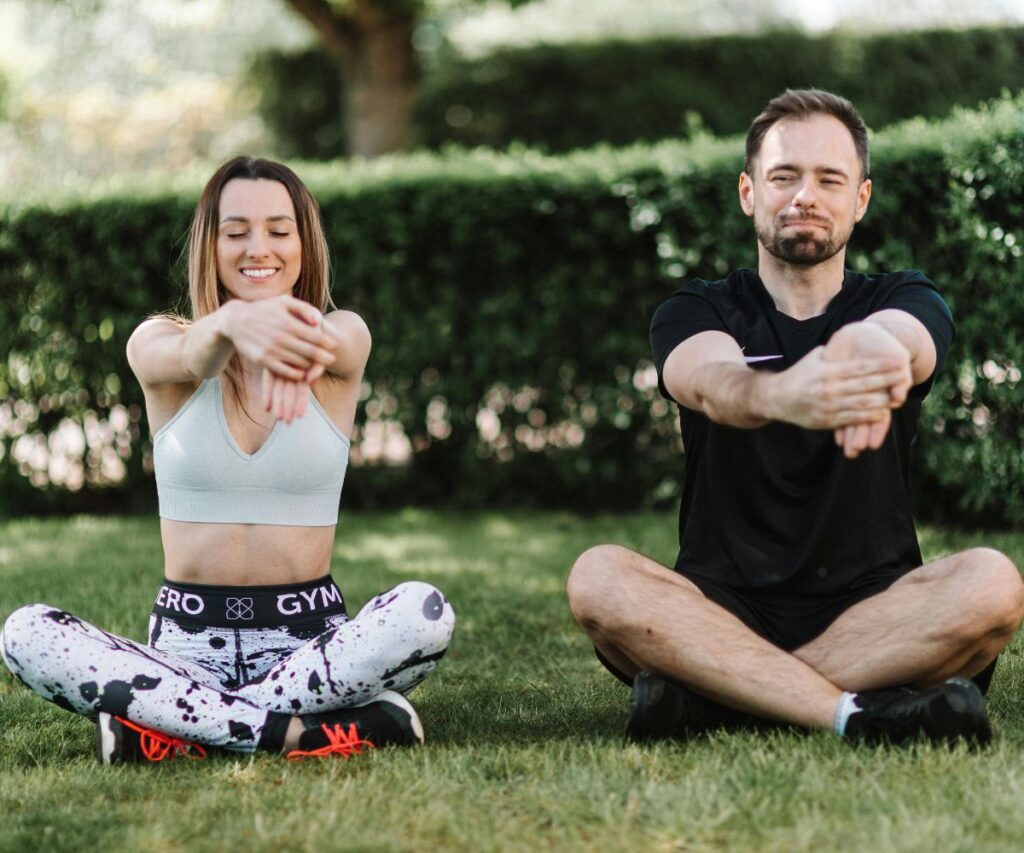
- Flexibility & Balance: Yoga, Pilates, or dynamic stretching, 2–4 times/week
- Functional Exercises: Squats, lunges, planks, push-ups for daily movement efficiency
Step 4: Start Gradually
- Begin with moderate intensity to avoid injury or burnout.
- Gradually increase duration and intensity over time.
Step 5: Recovery and Rest
- Include rest days to allow muscles to recover.
- Nutrition, hydration, and quality sleep are essential for optimal recovery.
Step 6: Track and Adjust Your Progress
- Log workouts, reps, sets, distances, and energy levels.
- Adapt your exercise routine to match improvements or new goals.

Benefits of Maintaining a Healthy Lifestyle with Regular Workouts (Bullet Points)
- Improves cardiovascular and respiratory health
- Builds and maintains muscle strength and endurance
- Enhances flexibility and joint mobility
- Improves balance, posture, and reduces risk of falls or injuries
- Boosts metabolism and supports weight management
- Reduces stress, enhances mood, and improves cognitive function
- Promotes better sleep quality and sustained energy
- Supports longevity and lowers risk of chronic disease
Real-Life Example: Dwayne Johnson wakes up at 4 a.m. daily to complete his best exercise routine for overall physical fitness, emphasizing that discipline and consistency lead to tangible health benefits.
Balanced Pros & Cons of a Daily Fitness Routine
Pros:
Maintaining a consistent daily fitness routine for mental and physical well-being strengthens the heart, muscles, and bones while improving posture, flexibility, and balance. Regular exercise also enhances mental clarity, reduces stress, and fosters emotional resilience. Individuals who prioritize physical fitness enjoy improved energy levels, confidence, and quality of life.
Cons:
Challenges include balancing workouts with work or family commitments, initial fatigue or soreness, and the potential need for equipment or gym access. Beginners may feel discouraged if results are not immediate. Despite these barriers, the long-term benefits of physical fitness far outweigh the initial effort, offering protection against chronic diseases and enhanced overall well-being.
Common Myths vs. Facts About Physical Fitness
- Myth: Only long workouts are effective.
Fact: Even 20–30 minutes of focused daily exercise can yield significant results. - Myth: Cardio alone ensures fitness.
Fact: Strength training, flexibility, and balance are equally important for total physical health. - Myth: Exercise alone guarantees weight loss.
Fact: A combination of exercise, proper nutrition, and lifestyle habits is essential for sustainable results.
Frequently Asked Questions (FAQs)
Q1: How often should I follow my exercise routine?
Aim for at least 150 minutes of moderate-intensity cardio and 2–3 strength sessions per week. Flexibility and balance exercises can be added 2–3 times weekly.
Q2: Can short workouts be effective?
Yes, even 15–20 minutes of consistent, focused exercise daily contributes to long-term physical fitness.
Q3: Should I exercise every day?
Daily movement is beneficial, but intense workouts require rest days for recovery. Listen to your body to prevent overtraining.
Q4: How important is nutrition in maintaining a healthy lifestyle?
Nutrition is critical. A healthy lifestyle with regular workouts combines proper diet, hydration, exercise, and sleep.
Q5: How do celebrities maintain fitness?
Discipline, structured routines, and clear goal-setting are key. Celebrities like Dwayne Johnson and Jennifer Lopez exemplify how integrating a best exercise routine for overall physical fitness into daily life yields sustainable results.
Conclusion
A consistent and well-rounded daily fitness routine for mental and physical well-being is a cornerstone of a healthy lifestyle. Combining cardiovascular training, strength, flexibility, and balance exercises improves physical and mental health, enhances energy, and reduces the risk of chronic disease.
While challenges such as time constraints, fatigue, and access to facilities exist, the long-term rewards—including increased longevity, improved mood, and overall well-being—far outweigh the initial hurdles. By following a disciplined approach, learning from examples like Dwayne Johnson or Jennifer Lopez, and committing to consistency, anyone can achieve exceptional physical fitness and elevate their quality of life.