
Consuming healthy food is one of the most important foundations of long-term health. The food we eat fuels our body, supports brain function, strengthens immunity, and influences how we feel every day. A balanced, nutrient-rich diet helps prevent lifestyle-related diseases and promotes overall well-being.
Definition: What Does Consuming Healthy Food Mean?
Consuming healthy food means choosing a balanced variety of nutrient-dense foods that provide essential vitamins, minerals, fiber, protein, and healthy fats. It focuses on whole, minimally processed foods that nourish the body rather than empty-calorie options that offer little nutritional value.
Step-by-Step Guide to Consuming Healthy Food
Step 1: Start with Whole Foods
Base your meals around whole foods such as fruits, vegetables, whole grains, legumes, nuts, seeds, and lean proteins.
Step 2: Balance Your Plate
Include carbohydrates, protein, and healthy fats in every meal to maintain steady energy and support metabolism.
Step 3: Control Portion Sizes
Eating the right portion helps prevent overeating while still meeting nutritional needs.
Step 4: Limit Processed and Junk Foods
Reduce foods high in sugar, salt, and unhealthy fats to protect heart and metabolic health.
Step 5: Eat Mindfully
Pay attention to hunger and fullness cues. Eating slowly improves digestion and satisfaction.
Healthy Eating Habits (Bullet Points)
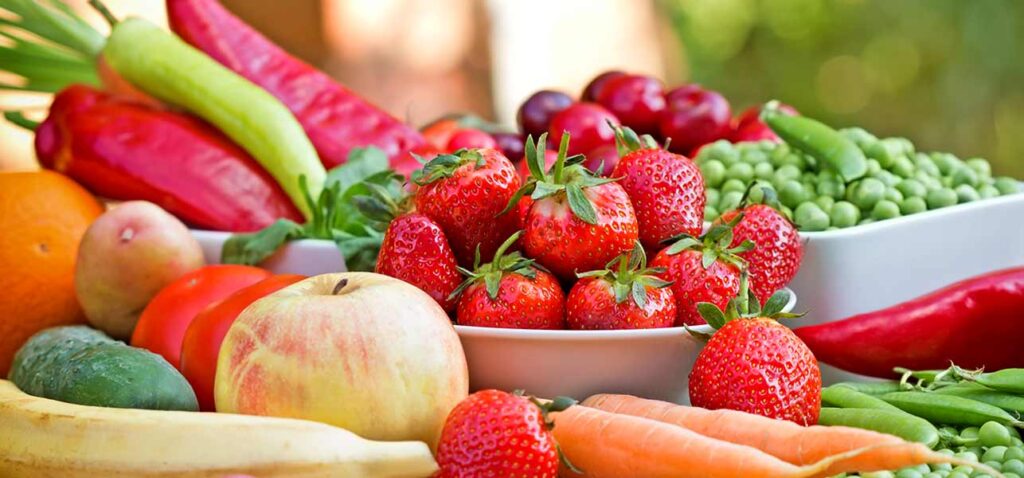
- Eat a variety of colorful fruits and vegetables
- Choose whole grains over refined grains
- Include protein in every meal
- Use healthy fats like nuts, seeds, and oils in moderation
- Drink enough water throughout the day
- Avoid skipping meals
- Limit sugary drinks and packaged snacks
Pros and Cons of Consuming Healthy Food
Pros:
- Improves energy levels and concentration
- Supports healthy weight management
- Strengthens immunity and digestion
- Reduces the risk of chronic diseases
- Improves skin, hair, and overall appearance
- Supports long-term physical and mental health
Cons:
- Requires planning and consistency
- Healthy foods may seem expensive initially
- Adjusting eating habits takes time
- Over-restriction can lead to cravings if not balanced
A flexible and realistic approach makes healthy eating sustainable.
Frequently Asked Questions (FAQ) About Consuming Healthy Food
1. Is consuming healthy food necessary every day?
Yes. Consistency matters more than perfection. Healthy food most of the time supports long-term wellness.
2. Can healthy food help with weight loss?
Yes. A balanced diet supports natural weight management when combined with physical activity.
3. Are carbohydrates unhealthy?
No. Whole carbohydrates like fruits, vegetables, and grains are essential for energy and overall health.
4. Can I eat healthy on a busy schedule?
Yes. Simple meals, meal prep, and smart choices make healthy eating achievable even with limited time.
5. Is healthy food boring?
Not at all. Healthy meals can be flavorful, diverse, and satisfying with proper preparation and variety.
Final Thoughts
Consuming healthy food is a lifestyle choice that supports energy, strength, and longevity. By focusing on balance, variety, and mindful eating, you can build sustainable habits that nourish your body and mind. Small daily improvements lead to lasting health benefits.