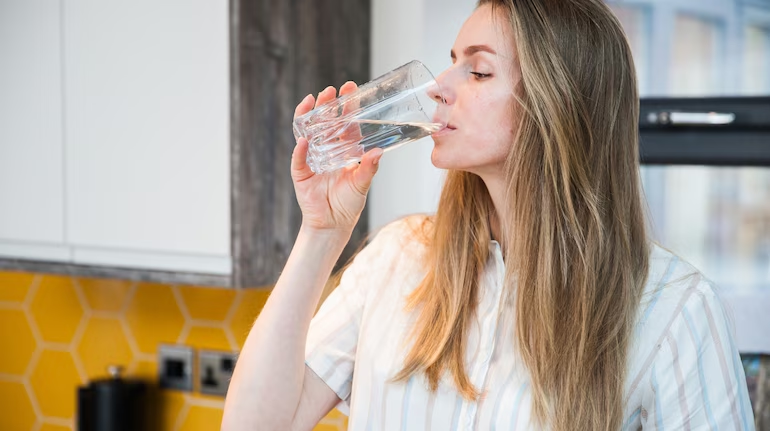
Water is the most essential nutrient for the human body. From regulating body temperature to supporting digestion and brain function, daily water consumption plays a vital role in maintaining overall health. Yet, many people underestimate the importance of proper hydration. Drinking enough water each day is a simple habit with powerful long-term benefits.
Definition: What Does Daily Water Consumption Mean?
Daily water consumption refers to drinking an adequate amount of water throughout the day to support normal body functions. Since the human body is made up of about 60% water, consistent hydration is necessary to keep organs, cells, and systems working efficiently.
Why Consuming Water Daily Is Important
Water supports nearly every function in the body. Proper hydration helps:
- Regulate body temperature
- Support digestion and nutrient absorption
- Improve blood circulation
- Remove toxins through urine and sweat
- Maintain energy levels and mental focus
Step-by-Step Guide to Consuming Water Daily
1. Start Your Day with Water
- Drink 1–2 glasses of water after waking up
- Helps activate metabolism and digestion
2. Drink Water at Regular Intervals
- Sip water every 30–60 minutes
- Avoid waiting until you feel extremely thirsty
3. Hydrate Before and After Meals
- Drink water 20–30 minutes before meals
- Avoid excess water immediately after meals
4. Increase Intake During Physical Activity
- Drink water before, during, and after exercise
- Replace fluids lost through sweat
5. Adjust for Weather and Health
- Drink more water in hot climates
- Increase intake during illness or fever
Healthy Hydration Tips (Bullet Points)
- Carry a reusable water bottle
- Choose water over sugary drinks
- Add lemon or herbs for flavor
- Eat water-rich foods like fruits and vegetables
- Monitor urine color (light yellow indicates good hydration)
Pros and Cons of Daily Water Consumption
Pros
- Improves digestion and gut health
- Boosts energy and concentration
- Supports healthy skin and joints
- Helps maintain body temperature
- Assists in detoxification
Cons
- Overhydration can disturb electrolyte balance
- Frequent urination may be inconvenient
- Excessive intake without minerals may cause discomfort
Common Mistakes to Avoid
- Drinking too little water
- Consuming large amounts at once instead of sipping
- Replacing water with sugary or caffeinated drinks
- Ignoring hydration during physical activity
Frequently Asked Questions (FAQ)
Q1. How much water should I drink daily?
Most adults need about 2–3 liters per day, depending on activity level and climate.
Q2. Can I drink water during meals?
Yes, small sips are fine, but avoid excessive amounts during meals.

Q3. Does drinking water help with weight management?
Yes, water can improve metabolism and reduce unnecessary snacking.
Q4. Is thirst a reliable sign of dehydration?
Thirst is a late signal; regular sipping is better.
Q5. Are beverages like tea and coffee counted as water?
They contribute to hydration but should not replace plain water.
Conclusion
Consuming water daily is one of the simplest yet most powerful habits for maintaining good health. Proper hydration supports digestion, energy, skin health, and overall body function. While water needs vary from person to person, consistency and balance are key. Make water a daily priority, listen to your body, and let hydration support a healthier, more active life.