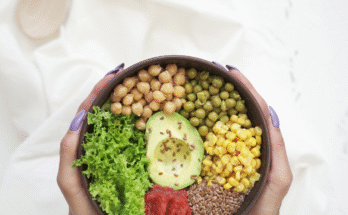
Healthy eating and lifestyle refer to a balanced approach to daily living that combines nutritious food choices, regular physical activity, proper rest, stress management, and positive habits to support long-term physical and mental well-being. It focuses on sustainability, personalization, and consistency rather than short-term or restrictive practices.
Step-by-Step Guide to Healthy Eating and Lifestyle
Step 1: Build Balanced Meals
- Include fruits and vegetables daily
- Choose whole grains over refined grains
- Add lean protein sources
- Use healthy fats in moderation
Step 2: Practice Mindful Eating
- Eat slowly and without distractions
- Pay attention to hunger and fullness cues
- Avoid emotional or stress-related eating
Step 3: Stay Physically Activity
- Aim for daily movement
- Include strength, flexibility, and cardio exercises
- Choose activities suitable for your fitness level
Step 4: Prioritize Sleep and Recovery
- Maintain a consistent sleep schedule
- Aim for quality sleep each night
- Allow the body time to recover
Step 5: Manage Stress Effectively
- Practice breathing or relaxation techniques
- Take regular breaks
- Maintain a healthy work-life balance
Step 6: Maintain Consistency
- Set realistic goals
- Build habits gradually
- Focus on long-term progress
Key Components of Healthy Eating and Lifestyle
- Nutrient-dense food choices
- Regular physical activity
- Adequate hydration
- Quality Sleep Hygiene
- Mental and emotional well-being
- Positive daily routines
Pros and Cons of Healthy Eating and Lifestyle
Pros
- Supports long-term physical health
- Improves energy levels and focus
- Enhances mental well-being
- Helps maintain a healthy weight
- Reduces the risk of lifestyle-related conditions
Cons
- Requires consistency and discipline
- Results take time and patience
- May require lifestyle adjustments
- Initial habit changes can feel challenging
A balanced approach helps minimize these challenges over time.

Frequently Asked Questions (FAQs)
1. Is healthy eating the same for everyone?
No. Healthy eating should be personalized based on age, lifestyle, health conditions, and activity levels.
2. Do I need to follow a strict diet?
No. A healthy lifestyle focuses on balance and moderation, not strict or restrictive diets.
3. How long does it take to see results
Results vary, but improvements in energy and digestion can be noticed within a few weeks of consistent habits.
4. Can I follow a healthy lifestyle without exercising daily?
Daily movement is recommended, but intensity and duration can be adjusted based on individual needs.
5. Is occasional indulgence allowed?
Yes. Occasional treats are part of a balanced lifestyle and help maintain long-term sustainability.

Expert Insight
From a wellness perspective, healthy eating and lifestyle habits work best when they are realistic and adaptable. Long-term success comes from small, consistent changes rather than extreme measures. Personalization, balance, and sustainability remain the cornerstones of true health.
Conclusion
Healthy eating and lifestyle practices provide a structured yet flexible framework for improving overall well-being. By focusing on balanced nutrition, regular activity, adequate rest, and stress management, individuals can create habits that support health across all stages of life.