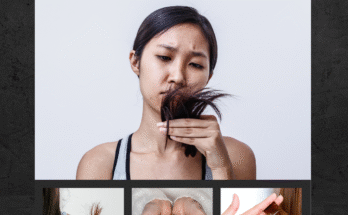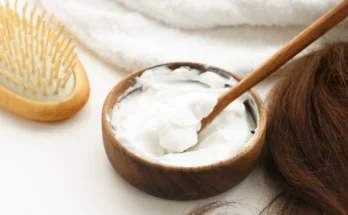
Healthy hair is more than a cosmetic goal—it reflects internal balance, proper nourishment, and consistent care habits. While genetics influence hair texture and density, everyday routines and lifestyle choices play a far greater role in maintaining strong and shiny hair over time. Understanding how hair functions allows for smarter, long-term healthy hair care rather than relying on temporary fixes.
This guide explains the foundations of hair health, essential practices, and realistic hair growth tips using a structured, expert approach.
Definition: What Is Healthy Hair?
Healthy hair shows the following characteristics:
- Minimal breakage and split ends
- Balanced moisture levels
- A clean and nourished scalp
- Natural shine and elasticity
True hair health begins at the scalp and is maintained through internal nutrition and external care.
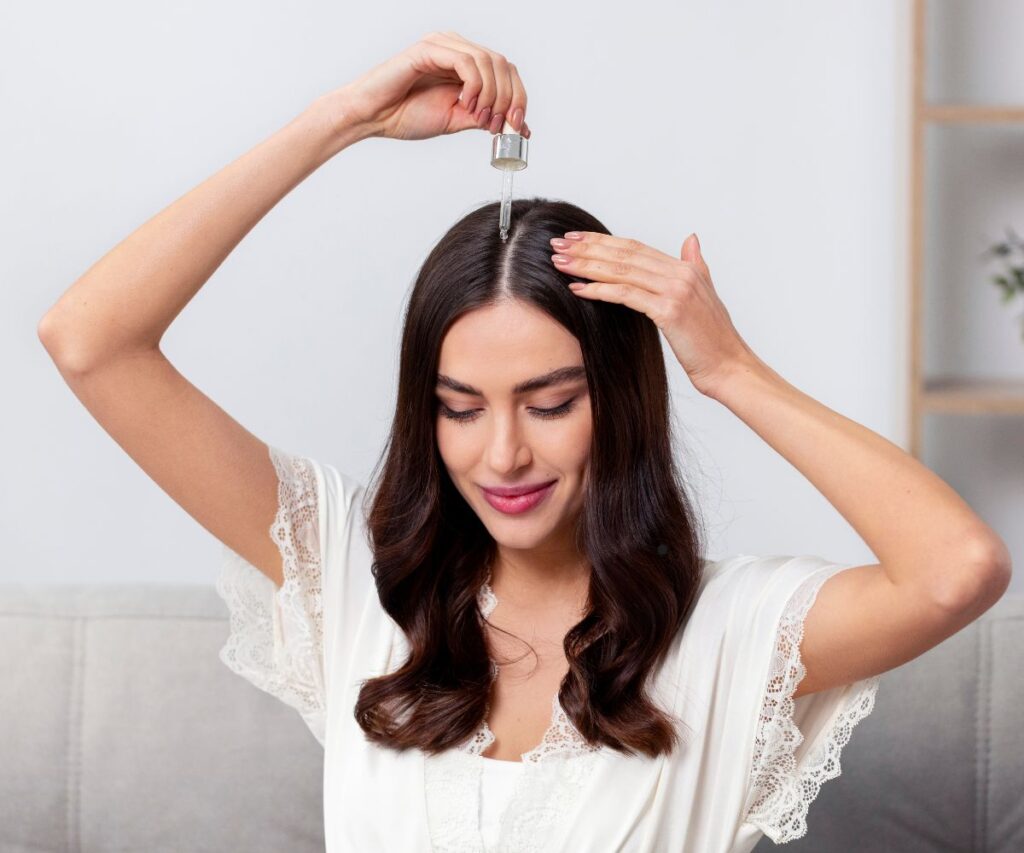
Why Healthy Hair Care Requires a Holistic Approach
Hair strands are not living tissue, but their condition depends heavily on what happens beneath the scalp.
Key Influencing Factors
- Scalp circulation and cleanliness
- Nutritional intake
- Daily handling and styling habits
- Environmental exposure
- Stress and sleep quality
Addressing these together delivers sustainable results.
Core Pillars of Strong and Shiny Hair
1. Scalp Health and Maintenance
Description:
The scalp supports hair follicles and regulates oil production. A balanced scalp environment is essential for effective hair growth tips to work.
Best Practices:
- Cleanse based on scalp type
- Massage gently to improve circulation
- Avoid harsh cleansing agents
Pros:
- Supports consistent growth
- Reduces buildup and irritation
Cons:
- Overwashing may disrupt natural oils
2. Nutrition for Hair Strength
Description:
Hair structure relies on protein and micronutrients that support follicle function.
Essential Nutrients:
- Protein
- Iron
- Zinc
- Vitamins A, C, and E
Pros:
- Improves thickness and resilience
- Supports long-term hair quality
Cons:
- Visible results take time
- Deficiencies require consistency
3. Moisture and Hydration Balance
Description:
Maintaining hydration keeps hair flexible and resistant to breakage.
Effective Methods:
- Use conditioners appropriately
- Limit heat exposure
- Protect hair from dryness
Pros:
- Enhances softness and shine
- Reduces tangling
Cons:
- Excess moisture can weigh hair down
4. Gentle Styling and Daily Handling
Description:
Rough handling causes mechanical damage, one of the most common threats to healthy hair care.
Protective Habits:
- Use wide-tooth combs
- Avoid tight hairstyles
- Reduce heat styling frequency
Pros:
- Preserves natural structure
- Minimizes breakage
Cons:
- Requires habit changes
Step-by-Step Routine for Healthy Hair Care
Step 1: Identify Your Hair and Scalp Type
- Oily, dry, or combination
- Fine, medium, or coarse texture
Step 2: Create a Balanced Wash Schedule
- Adjust frequency to oil production
- Use lukewarm water
Step 3: Support Hair from Within
- Maintain a nutrient-rich diet
- Stay adequately hydrated
Step 4: Protect and Strengthen
- Limit heat tools
- Use protective hairstyles when needed
Step 5: Monitor Progress
- Track shedding and breakage
- Adjust routine gradually
Lifestyle Habits That Influence Strong and Shiny Hair
- Quality sleep for growth cycles
- Stress management
- Physical activity for circulation
- Environmental protection
Healthy hair often mirrors overall wellness.
Balanced Pros and Cons of Structured Hair Care
Advantages
- Reduced hair fall
- Improved shine and texture
- Stronger hair shafts
- Long-term results
Disadvantages
- Requires patience
- Overuse of products may cause buildup
- Consistency is essential
Frequently Asked Questions
How long does it take to see improvement?
Surface improvements appear in weeks, while strength and density improve over months.
Do hair growth tips work for everyone?
Results vary based on genetics, health status, and consistency.
Is frequent washing harmful?
Not if products and frequency suit your scalp type.
Can damaged hair be repaired?
Mild damage improves with care; severe damage requires trimming.
Expert Conclusion
Effective healthy hair care focuses on scalp health, nourishment, and gentle daily practices rather than quick fixes. By following practical hair growth tips and maintaining balanced routines, it is possible to achieve strong and shiny hair that remains resilient over time.
Long-term hair health is built through understanding, consistency, and patience.