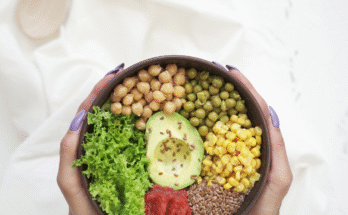
Reducing junk food consumption means limiting the intake of highly processed foods that are high in sugar, unhealthy fats, salt, and calories while offering little nutritional value. This includes foods like fast food, sugary drinks, packaged snacks, fried items, and sweets. The goal is not complete elimination, but mindful and controlled consumption to support overall health.
Why Taking Less Junk Food Matters
- Improves digestion and gut health
- Helps maintain a healthy weight
- Reduces the risk of lifestyle diseases
- Supports energy levels and mental clarity
Step-by-Step Guide to Reduce Junk Food Consumption
- Identify Your Junk Food Triggers
Notice when and why you crave junk food—stress, boredom, or convenience are common reasons. - Start with Portion Control
Instead of quitting suddenly, reduce portion sizes to make the change sustainable. - Replace Junk with Healthier Options
Swap chips with nuts, sugary drinks with water, and sweets with fruits. - Plan Your Meals in Advance
Meal planning reduces the temptation to rely on fast food or packaged snacks. - Read Food Labels Carefully
Avoid products high in added sugar, sodium, and trans fats. - Eat Mindfully
Slow eating helps control overeating and improves satisfaction. - Keep Healthy Snacks Accessible
Having nutritious snacks nearby reduces impulsive junk food choices. - Allow Occasional Treats
Completely banning junk food can lead to cravings. Moderation is key.
Pros of Reducing Junk Food Consumption
- Better digestion and metabolism
- Improved heart health and blood sugar control
- More stable energy levels throughout the day
- Better skin health and immunity
- Improved focus and mental well-being
Cons and Challenges to Consider
- Initial cravings and withdrawal symptoms
- Requires planning and self-discipline
- Healthy alternatives may need preparation time
- Social situations can make it harder to avoid junk food
Expert Tips for Long-Term Success
- Make gradual changes instead of sudden restrictions
- Focus on adding nutritious foods rather than only removing junk
- Stay hydrated to reduce unnecessary cravings
- Balance meals with protein, fiber, and healthy fats
Frequently Asked Questions (FAQs)
Q1. Is it necessary to completely stop eating junk food?
No. Occasional consumption in small portions is acceptable. Consistency and moderation matter more than elimination.
Q2. How does junk food affect long-term health?
Excessive junk food intake is linked to obesity, heart disease, diabetes, and digestive issues.
Q3. Can reducing junk food help with weight loss?
Yes. Cutting down on high-calorie, low-nutrient foods supports healthy weight management.
Q4. What are healthy alternatives to junk food?
Fruits, nuts, yogurt, homemade snacks, whole grains, and fresh meals are good alternatives.
Q5. How long does it take to see benefits after reducing junk food?
Many people notice improved energy and digestion within 1–2 weeks, with long-term benefits over time.
Conclusion
Taking less junk food is a powerful step toward better health. By making mindful choices, planning meals, and allowing balance, you can improve your physical and mental well-being without feeling restricted. Sustainable habits—not extreme rules—lead to lasting results.