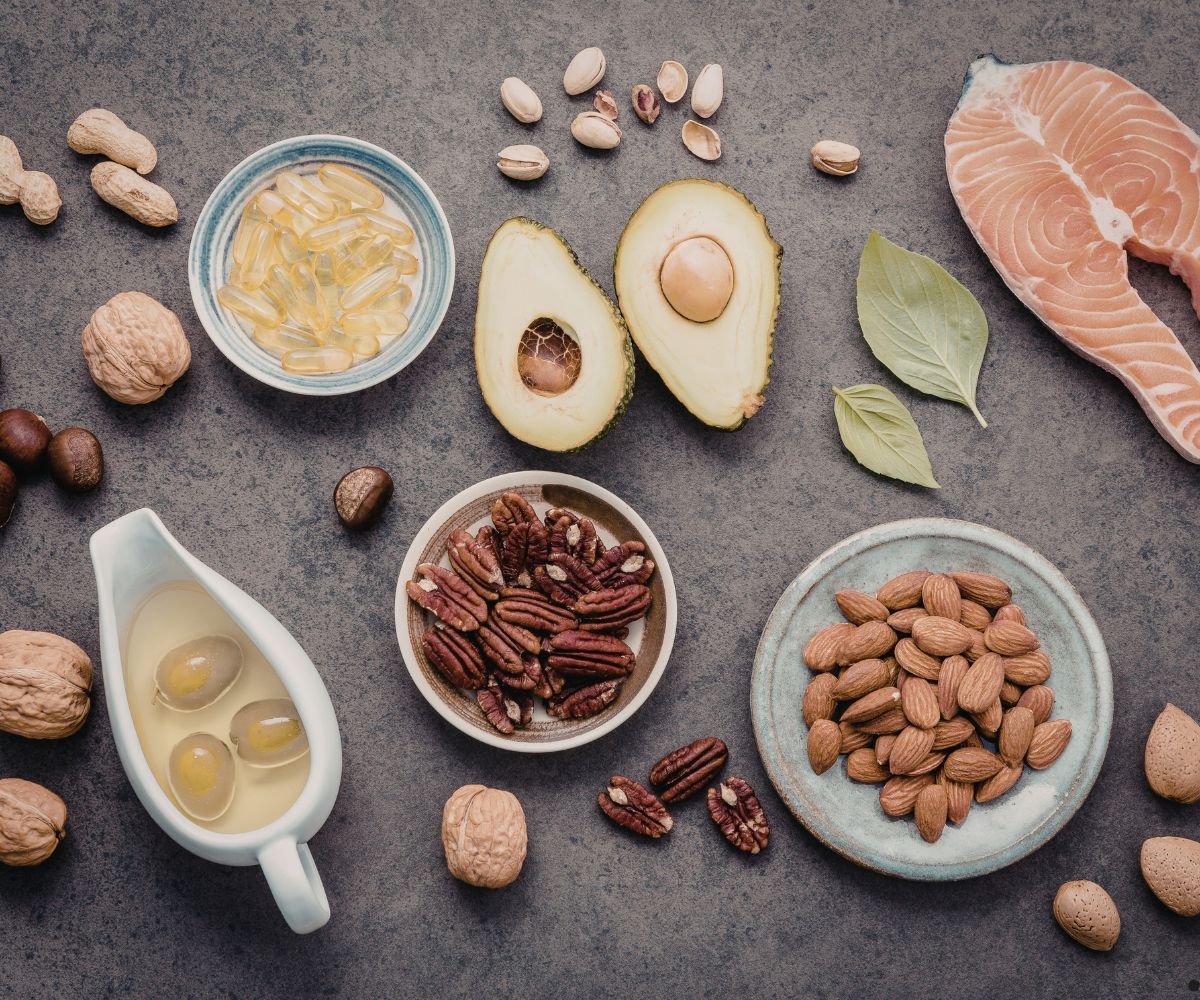
Fats are an essential part of a balanced diet, supporting nutrient absorption, hormone production, and overall cellular health. However, modern cooking habits often rely heavily on rich, refined fat sources that increase calorie intake without adding proportional nutritional value. By understanding and applying healthy fat alternatives, it is possible to prepare meals that remain satisfying while aligning better with long-term wellness goals.
This article provides a practical, expert-level overview of butter and oil substitutes, explains how they function in cooking, and outlines realistic low-fat cooking options suitable for daily use.
Definition: What Are Heavy Fats in Cooking?
Heavy fats are ingredients commonly used to enhance richness, texture, and flavor but are typically:
- High in saturated or refined fat
- Calorie-dense
- Limited in vitamins and minerals when overused
While these ingredients serve important culinary purposes, excessive dependence can reduce dietary balance. The objective is not elimination, but strategic replacement.
Why Use Healthy Fat Alternatives?
Replacing heavy fats supports both nutritional and functional improvements.
Key Benefits
- Lower overall calorie intake
- Improved digestive comfort
- Better ingredient nutrient absorption
- More consistent energy levels
Choosing the right alternative allows meals to stay flavorful while becoming more nutrient-efficient.
Core Healthy Fat Alternatives and How They Work
1. Fruit Purees
Description:
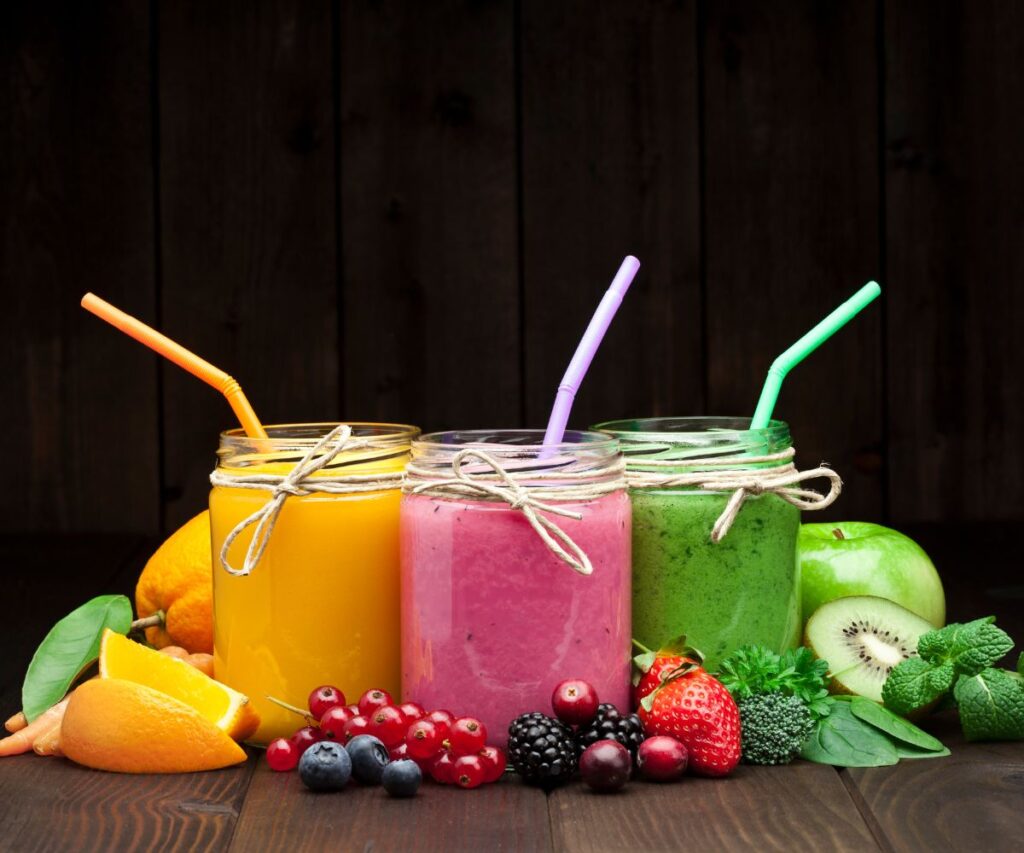
Smooth fruit blends provide moisture and structure, making them effective replacements for butter in baking and breakfast recipes.
Best Uses:
- Muffins, cakes, and pancakes
- Soft baked goods
Pros:
- High in fiber
- Naturally low in fat
- Adds mild sweetness
Cons:
- Alters flavor slightly
- Unsuitable for savory or high-heat cooking
2. Fermented Dairy Options (Curd or Greek-Style Yogurt)
Description:
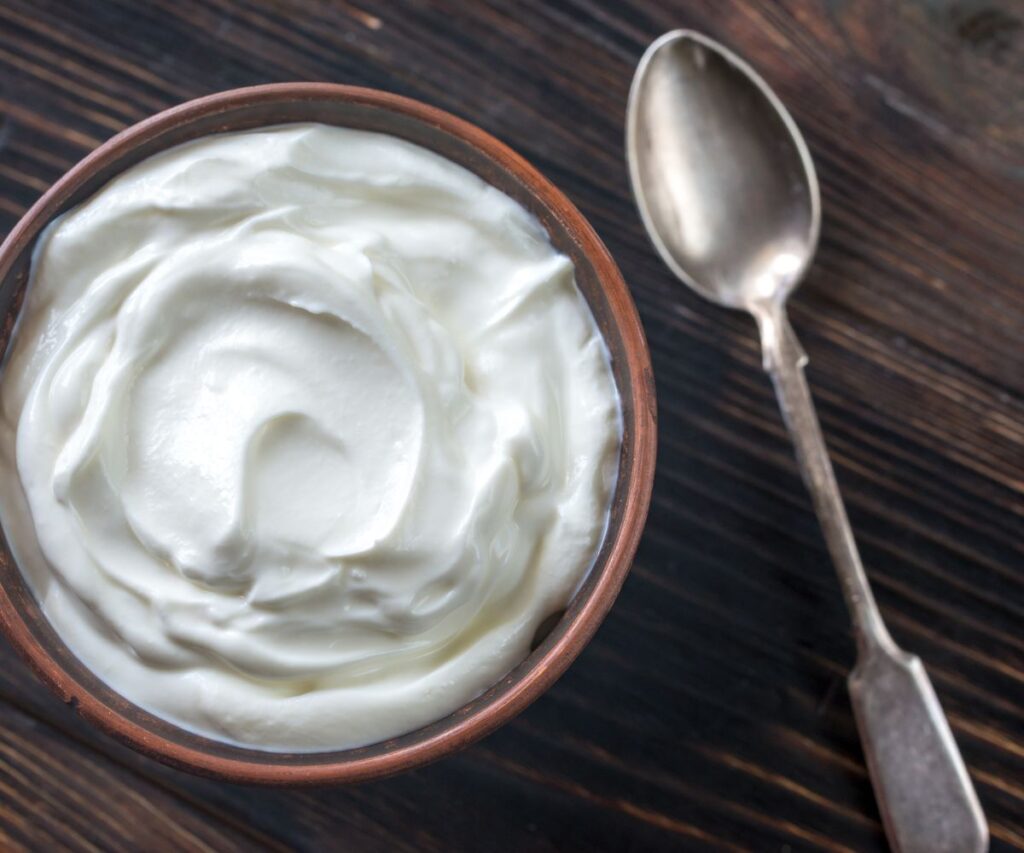
Fermented dairy delivers creaminess while contributing protein and beneficial bacteria, making it a reliable butter and oil substitute in sauces and baking.
Best Uses:
- Marinades and dressings
- Baked dishes
- Mild gravies
Pros:
- Supports gut health
- Lower saturated fat
- Improves texture
Cons:
- Not suitable for high-temperature cooking
- Not ideal for dairy-sensitive individuals
3. Mashed Vegetables
Description:
Cooked and mashed vegetables such as sweet potato, squash, or cauliflower provide thickness and structure without added fat.
Best Uses:
- Soups and stews
- Savory baking
- Spreads and fillings
Pros:
- Rich in vitamins and fiber
- Enhances satiety
- Neutral to mildly sweet flavor
Cons:
- Requires seasoning balance
- Texture may vary by vegetable
4. Liquid-Based Cooking Methods
Description:
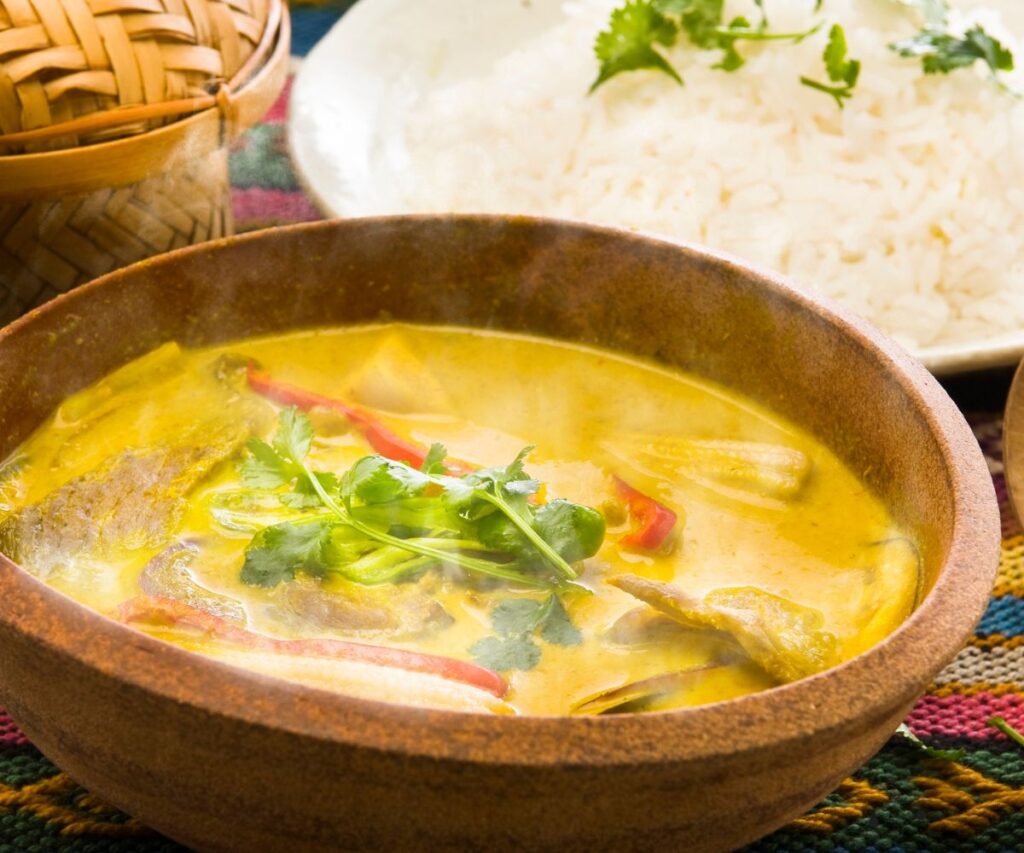
Using water or vegetable broth instead of oil allows ingredients to cook evenly while significantly reducing fat content. This approach is a cornerstone of low-fat cooking options.
Best Uses:
- Vegetable sautéing
- Lentil and bean dishes
- Light curries
Pros:
- Dramatically lowers calorie density
- Preserves natural flavors
- Simple to adopt
Cons:
- Limited crispness
- Requires heat control
Step-by-Step Guide to Transitioning Away from Heavy Fats
Step 1: Review Current Cooking Habits
- Identify recipes with frequent fat usage
- Note portion sizes
Step 2: Match Substitutes to Function
- Baking → fruit or vegetable purées
- Sauces → fermented dairy
- Cooking → liquid-based methods
Step 3: Reduce Gradually
- Replace 25–40% of fat initially
- Evaluate taste and texture
Step 4: Enhance Flavor Thoughtfully
- Use herbs, spices, citrus, and aromatics
Step 5: Refine and Repeat
- Adjust quantities
- Standardize successful recipes
Cooking Techniques That Support Low-Fat Cooking Options
- Steaming for nutrient preservation
- Baking instead of shallow frying
- Pressure cooking for flavor depth
- Using non-stick or well-seasoned cookware
Technique selection significantly influences outcomes.
Balanced Pros and Cons of Fat Substitution
Advantages
- Reduced calorie intake
- Improved nutritional quality
- Enhanced digestive comfort
- Sustainable long-term habits
Disadvantages
- Requires experimentation
- Texture differences in some recipes
- Flavor adaptation period
Understanding both sides helps set realistic expectations.
Frequently Asked Questions
Are healthy fat alternatives suitable for daily meals?
Yes. When combined with essential fats in moderation, they support balanced nutrition.
Will food lose flavor without traditional fats?
Flavor may change initially, but seasoning and cooking methods compensate effectively.
Can traditional recipes be modified?
Most recipes can be adapted with small adjustments.
Are low-fat cooking options suitable for active individuals?
Yes, provided overall calorie and nutrient needs are met.
Expert Conclusion
Adopting healthy fat alternatives is not about strict limitation—it is about informed choice. By using functional butter and oil substitutes and applying reliable low-fat cooking options, individuals can prepare meals that support health without sacrificing enjoyment.
Long-term success lies in gradual change, practical experimentation, and understanding how ingredients work together.